Brain Cancer Awareness American Flag Review
As a designer who has spent years stitching out complex motifs and refining designs for real-world clients, I approach every new download with a mix of excitement and skepticism. When the Brain Cancer Awareness American Flag landed on my desk, I didn't just see a file; I saw a potential centerpiece for a boutique collection or a deeply personal gift for someone fighting a difficult battle. This isn't just another generic graphic. It carries a heavy emotional weight that needs to be handled with technical precision and artistic sensitivity.
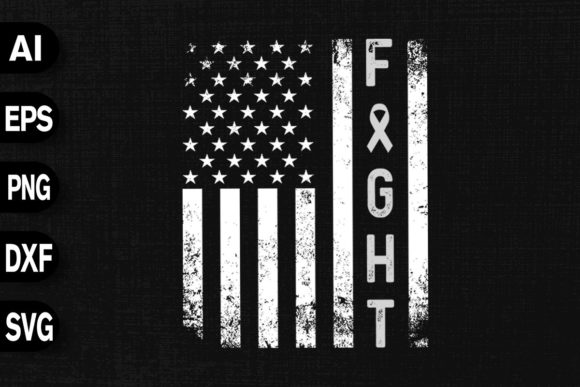
The first thing you notice about this design is its patriotic yet somber mood. The juxtaposition of the American flag motif with the specific awareness ribbon creates an immediate narrative. It speaks to resilience, support, and national unity in the face of health crises. For a T-Shirt Designs category entry, it stands out because it transcends simple decoration. It is a statement piece. Whether you are planning to stitch this onto a sweatshirt for a charity run or embroider it on a tote bag for a fundraiser, the visual personality of the Brain Cancer Awareness American Flag demands attention without screaming for it.
From Digital File to Finished Product
Let me take you through a scenario where I tested this design in a practical setting. I was preparing a custom embroidered tote bag for a local craft fair booth dedicated to cancer support. The goal was to create a product that felt professional enough to command a higher price point but warm enough to resonate with buyers looking for meaningful gifts. I selected a sturdy canvas tote and loaded the Brain Cancer Awareness American Flag embroidery file into my machine.
The layout works exceptionally well for medium-sized applications like bags and front-of-shirt placements. The symmetry of the flag elements provides a stable foundation for the machine, while the awareness ribbon adds a necessary focal point. However, the success of the final product relied heavily on my choice of thread colors. The design requires high contrast to ensure the details pop against the fabric. If you choose a dark background, you need bright, saturated threads for the flag stars and stripes to maintain legibility. On light fabrics, the reverse holds true. In my test run, using a deep navy thread for the flag field and a vibrant teal for the ribbon created a striking visual that customers stopped to admire immediately.
This versatility makes the design perfect for a wide range of Graphics applications. Beyond the standard apparel, I have seen this style translate beautifully onto baby onesies for "coming home" outfits, aprons for kitchen-themed fundraisers, and even pillow covers for nursery decor. The key is understanding how the design scales. A smaller version might get lost on a large blanket, while a larger version could overwhelm a small patch on a cap. The Brain Cancer Awareness American Flag finds its sweet spot on items like hoodies, mugs, and phone cases where the surface area allows the intricate details to breathe.
Navigating Technical Challenges
While the concept is strong, not every embroidery project is suitable for this design. There are specific scenarios where you must exercise caution. For instance, if you are working with a small hoop size, such as those used for socks or delicate jewelry boxes, the detail level of the flag pattern might become muddy. Tiny lettering or fine lines within the flag's texture can easily blur together if the stitch density is too high for the available space.
Textured fabrics present another hurdle. While a rugged denim jacket might look great with a distressed aesthetic, a thick, nubby wool sweater can cause the satin stitches of the ribbon to lose definition. Similarly, stretchy fabrics like thin t-shirts require a robust stabilizer strategy. Without proper backing, the tension of the Brain Cancer Awareness American Flag design can cause the fabric to pucker, ruining the clean lines of the flag. Curved surfaces, such as baseball caps, also demand careful testing. The distortion inherent in curving a flat design can stretch the star patterns or warp the ribbon shape if the digitization isn't optimized for the curve.
I also advise against using this design on items that will undergo frequent, harsh washing, such as industrial workwear or athletic gear meant for daily intense sweating, unless you use high-quality, colorfast threads. The longevity of the visual appeal depends on the durability of the stitches. For a handmade product intended to be cherished as a keepsake, the care instructions provided by the machine manufacturer should be strictly followed to preserve the integrity of the embroidery file.
Impact on Brand and Customer Trust
In the world of Etsy sellers and small shop owners, the quality of your finished product is your brand reputation. A poorly executed Brain Cancer Awareness American Flag design can undermine customer trust. Buyers looking for awareness merchandise are often emotionally invested; they want a product that looks professional and respectful. Sloppy edges, skipped stitches, or mismatched thread colors can make a heartfelt gesture feel cheap.
Conversely, a well-executed piece elevates the perceived value of your item. When a customer sees crisp satin stitches and balanced fill areas on a tote bag design, they perceive the entire business as reliable and skilled. This design has the power to drive engagement because it tells a story. It fits naturally into commercial embroidery projects where brands want to show solidarity. It works equally well for personalized gifts, adding a layer of thoughtfulness that generic prints cannot match.
For digital product sellers offering printable mockups, ensuring the design assets look realistic in previews is crucial. The way the Brain Cancer Awareness American Flag interacts with different fabric textures in your mockup images can significantly influence buyer decisions. Highlighting the stitch density and thread variation in your promotional materials helps set accurate expectations for the finished product.
Practical Designer Notes for Success
Before you commit to running a full production batch, there are several steps every designer should take. First, always test the design on scrap fabric that matches your final material. This allows you to check thread color contrast and inspect small details under actual lighting conditions. You might find that a certain shade of red blends too much with the background, requiring a switch to a brighter variant.
Review the stitch density carefully. High-density areas, particularly where the flag meets the ribbon, can sometimes lead to needle breakage or fabric damage if the machine isn't calibrated correctly. Confirm your hoop size before starting; if the design exceeds the hoop, you may need to split the file or adjust the placement. Inspect the design in black and white mockups to ensure the shapes remain distinct without relying solely on color.
Don't forget to check the licensing terms. If you plan to sell finished items featuring the Brain Cancer Awareness American Flag, you must confirm whether the digital embroidery file allows for commercial use. Some licenses restrict resale, while others permit it with limitations. Clarifying these terms protects your craft business from legal issues.
Finally, consider the stabilizer. Using the wrong type can lead to puckering or poor registration. For dense fills, a cut-away stabilizer often provides the best support for long-term wear, while tear-away might suffice for lighter projects. By taking these practical steps, you ensure that your embroidery project results in a finished product that honors the cause and satisfies your customers.
The Brain Cancer Awareness American Flag is more than just a design; it is a tool for connection. Whether you are creating holiday embroidery for a seasonal sale or building a line of boutique products, this design offers a powerful way to express support. With careful execution and thoughtful application, it can become a standout item in any maker's portfolio.