Dogs Are Not Our: A Designer's Real-World Embroidery Review
As someone who has spent years turning digital concepts into tangible, stitched realities for clients and my own handmade shop, I know that the success of a project often hinges on the design itself before the needle even touches the fabric. Today, I am evaluating Dogs Are Not Our, a graphic asset available in various formats like PDF, EPS, SVG, PNG, and DXF. While the file list suggests high-quality vector graphics suitable for CMYK workflows, my primary focus is how this specific design translates when converted into a machine embroidery design or used as a template for physical goods.
The First Impression: Mood and Visual Personality
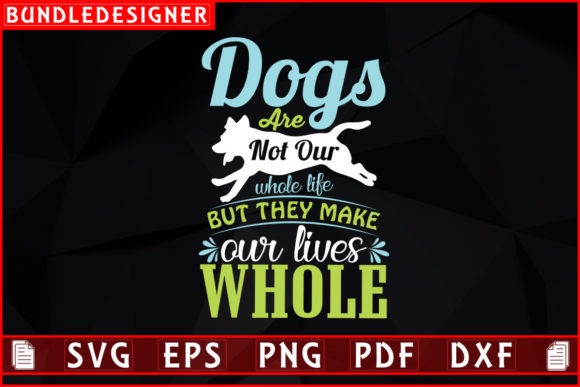
The title Dogs Are Not Our immediately sets a tone that is both conversational and slightly provocative. In the world of handmade products, humor and relatability are powerful tools, but they require a design that can support that message without feeling cluttered. When I first laid eyes on the layout of Dogs Are Not Our, it felt like a statement piece designed for casual wear or home decor rather than formal attire. The visual personality suggests a modern, perhaps slightly edgy aesthetic that appeals to dog lovers who don't take themselves too seriously.
For an embroidery designer, the initial assessment involves looking at the balance between text and imagery. Does the design have enough negative space to breathe? Is the typography legible at small scales? My instinct tells me that Dogs Are Not Our is built for bold statements. It feels natural for a sweatshirt embroidery project where the design takes center stage on the chest, or perhaps as a large motif on a tote bag design meant to carry groceries from the farmer's market. The mood is friendly yet confident, which is exactly what you want when creating a personalized gift that resonates with the recipient's sense of humor.
Real-World Application: From Digital File to Finished Product
Let's imagine a real scenario. You are preparing inventory for a boutique selling custom apparel. You need a unique item for the upcoming holiday season. You decide to use Dogs Are Not Our to create a line of embroidered patches and aprons for your kitchen towel collection. How does this design perform?
In practice, the versatility of the provided files—EPS, SVG, and DXF—makes the transition from screen to stitch smoother. If you are converting this into a machine embroidery design, the vector nature of the source allows for precise scaling. However, the execution depends heavily on your choice of thread colors and stabilizer. For a commercial embroidery project involving a heavy-duty cotton apron, the design would likely shine if rendered with a thick satin stitch for the outlines and a fill stitch for the background elements. This creates a tactile, raised texture that customers love to touch.
I also envision this design being perfect for baby embroidery projects. Imagine a onesie or a soft blanket featuring Dogs Are Not Our in pastel threads. The contrast of the playful text against soft fabric creates a memorable keepsake. Similarly, for an Etsy seller, using this design on a cap or a hat could drive significant engagement. The phrase is short enough to be readable on the curved surface of a cap, provided the lettering isn't too dense. It transforms a standard accessory into a conversation starter, increasing the perceived value of the finished product.
Where Caution is Required
While Dogs Are Not Our has strong potential, no design is universally perfect. There are specific scenarios where this graphic might struggle if not handled with care. One of the most critical considerations is the hoop size. If you attempt to stitch this design on a very small hoop, such as those used for delicate jewelry boxes or tiny baby booties, the details may become muddy. The lettering needs room to be legible; otherwise, the message gets lost in the stitching.
Fabric texture plays a huge role as well. On stretchy fabrics like jersey knits, you must use a proper stabilizer to prevent puckering. If the fabric is too thin, the density of the stitches required to make the design pop could cause the material to warp. Additionally, dark fabrics present a challenge. If the design relies on light-colored threads for clarity, you will need to ensure there is sufficient underlay or cover stitch density so the base color doesn't show through. Conversely, on textured fabrics like denim or fleece, the needle might skip or the design might look uneven if the stabilizer isn't robust enough.
Another area to watch is detailed corners. If Dogs Are Not Our includes intricate flourishes or sharp angles, these can sometimes get rounded off during the stitching process, especially on smaller items. Before committing to a full production run, I always advise testing the design in black and white mockups to see how the shapes hold up without the distraction of color. This helps identify any areas where the stitch density might be too high or where the spacing is too tight for the intended garment type.
Impact on Brand Consistency and Customer Trust
Using a design like Dogs Are Not Our effectively can significantly boost customer trust. When a handmade product looks professional, with clean lines and balanced composition, buyers assume the maker pays attention to detail. This perception extends to the entire brand. If you are selling small shop products, consistency is key. Using a high-quality design ensures that your branding remains cohesive across different items, whether it is a printed mockup for your website or a physical embroidered patch attached to a jacket.
The design also enhances giftability. A humorous yet well-executed phrase makes for an excellent holiday gift or a thoughtful present for a friend. It shows that you put thought into the selection of the design, not just the act of stitching. However, this only works if the final product looks polished. Poor registration or loose threads can undermine the charm of the phrase, making the item feel cheap rather than cute.
Practical Notes for the Embroidery Designer
Before you start your next project with Dogs Are Not Our, here are some essential steps to ensure success:
- Test on Scrap Fabric: Always run a test stitch on a scrap piece of the same fabric you plan to use. This reveals how the fabric reacts to the needle and thread tension.
- Check Thread Color Contrast: Ensure your chosen thread colors provide enough contrast against the fabric background. High contrast improves readability and visual appeal.
- Review Stitch Density: Examine the design file for stitch density. Too much density can make the fabric stiff, while too little can leave gaps. Adjust as necessary based on your machine's capabilities.
- Confirm Hoop Size: Verify that the design fits within your machine's hoop dimensions, leaving adequate margin for the stabilizer.
- Inspect Small Details: Zoom in on the digital file to check for tiny lettering or fine lines that might not stitch well on certain materials.
- Use Proper Stabilizer: Select a stabilizer (cut-away, tear-away, or sticky) that matches the weight and stretch of your fabric to prevent distortion.
- Compare Light and Dark Backgrounds: Mock up the design on both light and dark backgrounds to ensure it remains versatile.
- Licensing Check: Confirm the licensing terms before selling finished items or digital products. Some designs allow personal use only, while others permit commercial sales.
In conclusion, Dogs Are Not Our offers a solid foundation for creative entrepreneurs and crafters looking to add personality to their work. Whether you are decorating a custom tote bag, creating a batch of holiday gifts, or expanding your Etsy listings, this design has the potential to stand out. By paying attention to the technical details of embroidery and understanding the nuances of fabric and thread, you can turn this digital asset into a beloved finished product that brings joy to dog lovers everywhere.