Flamingo Sublimation: A Designer's Real-World Embroidery Review
When I first opened the files for Flamingo Sublimation, my immediate reaction was one of playful curiosity. As a designer who spends hours evaluating digital assets for real-world application, I am always looking for that perfect balance between whimsical charm and technical feasibility. This design isn't just a cute image; it is a potential cornerstone for a boutique collection or a personalized gift that could make someone smile. The name itself, "Flamingo Sublimation," suggests a vibrant energy, but the true test lies in how those digital lines translate into physical stitches on fabric.
The First Impression: Mood and Visual Personality
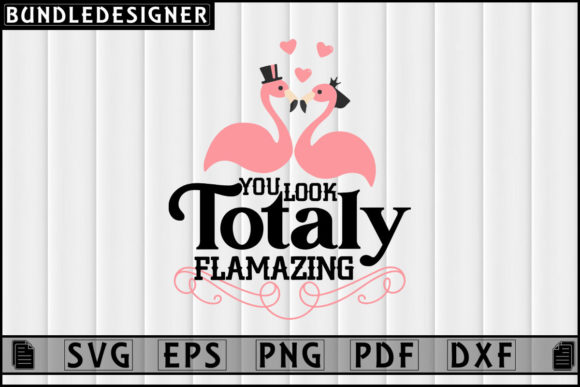
The visual personality of Flamingo Sublimation is undeniably summery and bold. It captures that specific "flamazing" vibe mentioned in the product description, offering a design that feels confident without being overwhelming. For an embroidery project, the layout is crucial. Does it sit well on a chest pocket? Will it dominate a tote bag? From a design perspective, this file seems to lean towards a statement piece. It has a distinct shape that promises to stand out against neutral backgrounds like cream canvas or denim blue.
I immediately pictured this as a centerpiece for a custom embroidered tote bag or perhaps a cheerful addition to a baby onesie. The theme works exceptionally well for summer markets, bridal showers with a tropical twist, or even as a fun accent on a kitchen towel for a hostess gift. The mood is lighthearted, which is exactly what customers look for when they want something that adds a pop of color to their wardrobe or home decor. However, before I commit to stitching, I have to consider if the artistic intent holds up under the microscope of machine embroidery.
Real-Life Application: From Screen to Stitch
Let's imagine a practical scenario. I am preparing a batch of handmade products for an upcoming craft fair. My goal is to create a line of embroidered patches and small sweatshirt accents featuring Flamingo Sublimation. The challenge here is ensuring the design translates cleanly from a vector file to a satin stitch masterpiece. When I run a mental simulation of the stitching process, I see the potential for high visual appeal, provided the thread colors are chosen with care.
This design would shine on a sturdy cotton tote bag, where the fabric can support the weight of the fill stitches without puckering. It also feels right at home on a sweatshirt, adding a touch of personality to a casual outfit. For Etsy sellers, this is the kind of asset that drives engagement because it looks great in printable mockups. Customers love seeing a finished product that matches their imagination, and a well-executed flamingo design creates immediate recognition and brand consistency.
However, not every surface is a winner. If I were to attempt this on a curved surface like a baseball cap, I would need to be extremely cautious about the distortion. While the design might look stunning flat, the curvature of a cap can stretch the details, potentially ruining the delicate corners. Similarly, on thin or stretchy fabrics, the tension required for a dense design could cause the material to ripple. In these cases, the integrity of the embroidery project depends entirely on the choice of stabilizer and the skill of the operator.
Where Caution is Key
There are specific areas where Flamingo Sublimation requires careful handling. Small hoop sizes are a major constraint. If the design includes intricate details or tiny lettering, trying to force it into a 4x4 hoop often results in a loss of definition. The stitches may crowd each other, creating a muddy texture rather than a crisp image. Additionally, textured fabrics like bouclé or heavy corduroy can hide the fine lines of the design, making it difficult for the viewer to appreciate the artistry.
Dense stitch areas are another point of consideration. If the design relies heavily on fill stitches, using too much density can make the fabric stiff and uncomfortable, especially for baby clothing or items that require frequent washing. On dark fabrics, the contrast becomes a critical factor. Without the right thread selection, the pink hues of the flamingo might get lost in the background. For commercial embroidery projects, these nuances can mean the difference between a satisfied customer and a return request.
Technical Notes for the Discerning Designer
Before you start threading your machine, there are several practical steps to ensure success. First, always test the design on scrap fabric. This simple step allows you to gauge how the stitch density interacts with your specific material and whether the hoop size needs adjustment. You should also check the thread color contrast by reviewing the design in black and white mockups. This helps identify if the shading and depth will hold up once converted to thread.
Inspecting small details is non-negotiable. Zoom in on the digital file to ensure that no lines are too thin to stitch effectively. If the design includes running stitches, verify that they are long enough to prevent tangling but short enough to maintain the shape. Confirming the licensing terms is equally important, especially for those selling finished goods. Since the product description mentions receiving PDF, EPS, SVG, and PNG files, it is vital to read the license agreement to understand if you can sell the final embroidered items or if the usage is restricted to personal projects.
Impact on Product Value and Brand Perception
A well-executed embroidery file elevates the perceived value of a handmade product. When a customer receives a personalized gift or a small shop product that features a clean, professional design like Flamingo Sublimation, they feel a sense of quality and trust. It signals that the maker cares about the details. This attention to detail fosters brand loyalty and encourages repeat business.
In the world of craft business, having versatile design assets is essential. This design fits seamlessly into various categories, from holiday gifts to wedding favors. Its versatility allows designers to create cohesive collections, such as a set of matching aprons and tea towels, or a series of nursery decor items. The ability to adapt the design to different contexts while maintaining its core identity is what makes it a valuable tool for creative entrepreneurs.
Ultimately, Flamingo Sublimation offers a fantastic opportunity to inject joy into everyday items. Whether you are a hobbyist looking to make a unique present or an experienced decorator expanding your commercial embroidery offerings, this design provides a solid foundation. By respecting the technical limitations and planning your production carefully, you can turn this digital graphic into a tangible work of art that delights users and buyers alike. Remember, the magic happens not just in the file, but in the execution.