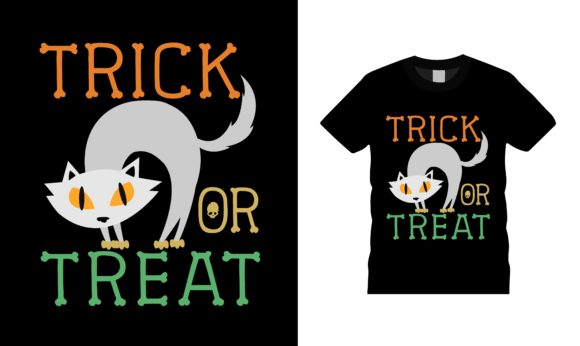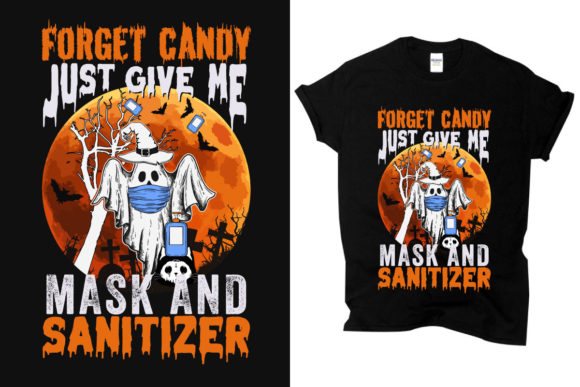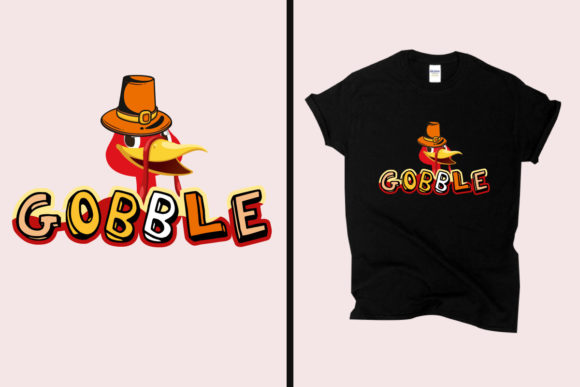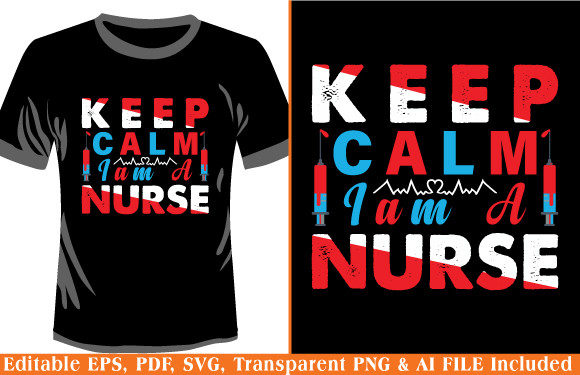
Halloween Tshirt - Happy Halloween Review
As a designer who spends more time in the hoop than on the couch, I approach every new file with a mix of excitement and skepticism. When I first opened Halloween Tshirt - Happy Halloween, my immediate reaction was about the mood it sets. It isn't just a generic spooky graphic; it carries a specific energy that feels perfect for the season. The layout is balanced, the typography has personality, and the visual weight suggests it will hold up well under the needle. But does it translate from a digital screen to a finished textile? That is the real question we need to answer before stitching.
The First Stitch: Visual Personality and Design Intent
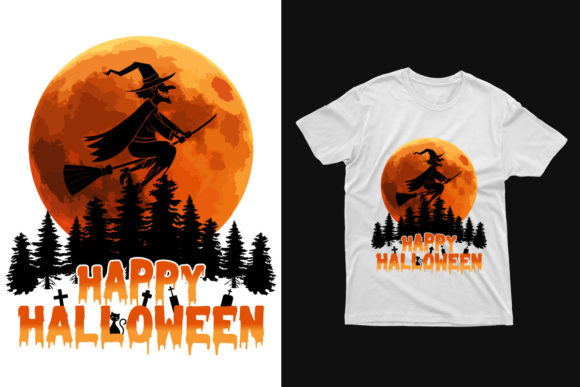
The moment you look at Halloween Tshirt - Happy Halloween, you get a sense of playful spookiness rather than horror. This distinction matters immensely when choosing your thread colors and fabric textures. A design like this naturally belongs in projects meant to bring joy or festive cheer, such as holiday gifts, boutique products, or craft fair items. The shape of the text and any accompanying graphics seem designed to be versatile, allowing them to sit comfortably on a wide range of surfaces without feeling cramped or lost.
In terms of detail level, the design appears robust enough for standard embroidery work but simple enough to avoid frustration during digitization adjustments. For an experienced embroiderer, this balance is gold. It means you aren't fighting against tiny, indecipherable stitches that might snag or break down over time. Instead, the design offers clear lines and distinct areas that will read well even after multiple washes. It feels like a design intended for a handmade product that needs to stand out on a shelf or in a customer's hands.
Real-World Application: From Screen to Stitches
I recently simulated using Halloween Tshirt - Happy Halloween for a custom order of baby onesies and tote bags for a local Halloween market. Here is how I think this machine embroidery design performs in those specific scenarios.
- Custom Apparel and Sweatshirts: On a thick cotton sweatshirt, the density of the fill stitch would likely create a nice texture. However, because it is a T-Shirt Designs category item, I had to consider the stretch of the fabric. If placed correctly with proper stabilizer, it will lay flat without puckering. The "Happy" aspect of the title suggests it works best on lighter fabrics where the contrast pops, though dark backgrounds could work if you choose bright, neon threads.
- Baby Items and Nursery Decor: There is something heartwarming about seeing a cheerful Halloween message on a baby blanket or bib. The clean lines of Halloween Tshirt - Happy Halloween make it ideal for these soft goods. It avoids the jagged edges that can sometimes irritate sensitive skin, provided you trim the threads well. It transforms a simple garment into a personalized gift that parents will cherish.
- Home Goods and Accessories: Imagine this design on a kitchen towel or a pillow cover. The versatility of the vector files allows you to resize it easily. On a tea towel, it becomes a functional piece of decor that fits perfectly in a farmhouse-style kitchen. On a pillow, it adds a seasonal touch that doesn't require buying a whole new set of linens every year.
The ability to use this digital embroidery file across different mediums is a huge plus for small business owners. Whether you are creating an embroidered patch for a denim jacket or a sticker for a laptop, the core design remains consistent. This consistency builds brand recognition, which is crucial for an Etsy seller or anyone running a craft business.
Where to Proceed with Caution
While the design is strong, no single file is a magic bullet for every situation. As a reviewer, I have to point out where Halloween Tshirt - Happy Halloween might struggle. First, small hoop sizes are a potential pitfall. If you attempt to stitch this on a cap brim or a very small baby hat, the details might get lost or the text could become illegible. You must check the hoop size requirements carefully before committing to a project.
Textured fabrics also pose a challenge. If you try to stitch this on a rough burlap or a heavily woven linen, the satin stitches might not lay flat, leading to a messy finish. Similarly, thin or stretchy fabrics require extra care. Without adequate stabilizer, the tension of the machine could distort the design, making the text look wavy or uneven. Dark fabrics present another hurdle; while they can look great, you need to ensure your thread choice provides enough contrast so the design doesn't disappear into the background.
For curved surfaces like caps, the curvature of the design needs to match the curve of the hat. If the original digitization assumes a flat surface, applying it to a rounded cap might cause the top or bottom of the text to bunch up. Always test on scrap fabric first to see how the design behaves on the specific material you intend to use.
Impact on Product Value and Customer Trust
In the world of handmade goods, the quality of the embroidery speaks volumes about the maker. A poorly stitched design can ruin an otherwise beautiful product, leading to returns and negative reviews. Conversely, a crisp, well-executed design like Halloween Tshirt - Happy Halloween elevates the perceived value of the item. Customers pay attention to the neatness of the stitches and the clarity of the lettering. When they see a professional finish, they trust the brand more.
This design supports a polished aesthetic that aligns well with commercial embroidery projects. It looks intentional and thoughtfully crafted. Whether you are selling custom apparel or holiday embroidery kits, having a reliable design asset ensures your presentation is consistent. It helps you maintain a high standard of quality, which is essential for long-term success in the apparel decorator market.
Practical Notes for the Embroidery Designer
Before you start your next big batch of orders, here are a few practical steps to ensure success with this file:
- Test on Scrap Fabric: Never go straight to your final product. Run a test stitch on a scrap piece of the same fabric to check for puckering or thread breaks.
- Check Thread Colors: Review the suggested thread colors against your actual inventory. Sometimes a color on the screen looks different under natural light compared to store lighting.
- Review Stitch Density: Look closely at the fill stitch areas. If the density seems too high for the fabric type, you may need to adjust the settings to prevent needle deflection.
- Confirm Licensing: Since this comes with vector files (EPS, SVG), verify the license terms before selling finished items or distributing the digital assets. Some licenses allow personal use only, while others permit commercial sales.
- Use Proper Stabilizer: The right stabilizer is the backbone of a good stitch. For stretchy fabrics, a cut-away stabilizer is often necessary to maintain the shape of the design over time.
- Inspect Small Details: Zoom in on the design to ensure there are no stray points or overly small elements that might get lost in the stitching process.
Halloween Tshirt - Happy Halloween is a solid addition to any designer's library. It offers a blend of seasonal charm and practical utility that works well for everything from baby embroidery to small shop products. By taking the time to understand its strengths and limitations, you can turn this design asset into a profitable and beautiful part of your creative workflow.