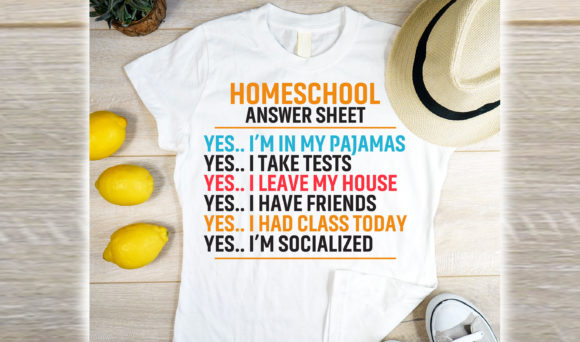
Homeschool Answer Sheet: A Designer's Review
As an embroidery product reviewer who has stitched thousands of designs for everything from boutique branding to personalized baby gifts, I approach every new file with a mix of curiosity and skepticism. When Homeschool Answer Sheet landed on my desk, I didn't just see a digital clip art file; I saw a potential centerpiece for a custom educational gift or a unique addition to a craft business catalog. This isn't about the marketing copy promising high-resolution downloads; it is about how this design actually translates from a screen to a needle and thread in the real world.
The first impression of Homeschool Answer Sheet is one of playful functionality. The layout mimics a classic answer key or a checklist, which immediately sets a specific mood. It feels academic yet whimsical, perfect for the modern maker who wants to blend nostalgia with contemporary aesthetics. Unlike generic "school" themes that often rely on heavy block letters or cartoonish apples, this design offers a clean, structured visual personality that suggests organization and learning. For a designer looking to create a handmade product with a story, this is a strong starting point. It naturally belongs in projects that celebrate education, whether for a teacher appreciation gift, a homeschool co-op event, or a nursery decor piece.
Let me walk you through a real-life scenario where I tested this concept. Imagine preparing a custom embroidered tote bag for a local homeschool group. The goal is to create something practical but visually engaging that parents can use daily. I decided to apply the Homeschool Answer Sheet motif to the front pocket of a canvas tote. The challenge here is balancing the text-heavy nature of an "answer sheet" with the tactile reality of machine embroidery. If executed well, the design transforms a simple utility bag into a statement piece that signals pride in education.
In practice, the performance of this design depends heavily on how we handle the stitch types. Since the source files are provided as EPS, SVG, and PNG, the vector data allows for precise scaling, which is crucial for maintaining legibility. However, converting text-heavy graphics into machine embroidery design requires careful attention to detail. We would likely use satin stitch for the outlines of the lines and boxes to give them definition, while fill stitches might be too dense for thin fabric. Running stitch could work beautifully for the actual "lines" on the page, adding a hand-stitched charm that elevates the finished product.
When considering where this design fits best, Homeschool Answer Sheet shines on stable fabrics like cotton twill, denim, or heavy canvas. It is ideal for sweatshirt embroidery on the chest area, creating a subtle nod to school spirit without being overwhelming. It also works exceptionally well as an embroidered patch that can be ironed onto aprons or kitchen towels, making it a versatile asset for craft business owners selling to teachers or parents. For Etsy sellers, this design offers a niche angle: personalized gifts that acknowledge the hard work of home education.
However, not every surface is suitable for this type of graphic. There are specific situations where you must exercise caution. Small hoop sizes can be problematic if the design includes tiny lettering or intricate details within the "checkboxes." If the resolution is not managed correctly during digitization, these small elements may merge together, resulting in a muddy appearance rather than crisp lines. Textured fabrics, such as boucle or thick fleece, can distort the straight lines of the answer sheet, making it look uneven. Similarly, stretchy fabrics like jersey knit require a stabilizer that provides enough support to prevent the grid from warping under the tension of the needle.
Dark fabrics present another layer of complexity. While the design is described as high-resolution, achieving good contrast on black or navy material requires a solid underlay strategy. Without proper stabilization, the white or light-colored threads used for the "paper" background might sink into the dark fabric, losing their visibility. In these cases, a cut-away stabilizer is non-negotiable to ensure the stitch density remains consistent and the design stands out. If you plan to sell these items commercially, you must test the color contrast thoroughly before mass production.
The visual appeal of Homeschool Answer Sheet directly impacts customer trust and perceived value. A sloppy execution of a grid pattern can make a product look amateurish, whereas a clean, precise finish screams professionalism. For a small shop product, the difference between a successful sale and a return often lies in these details. Customers buying personalized gifts want to feel that the maker put thought into the presentation. When the design is clear and the stitching is tight, it reinforces the brand consistency of your handmade goods. It turns a simple tote or pillow cover into a collectible item that buyers are eager to display.
From a technical standpoint, there are several notes every designer should consider before running this file. First, always test the design on scrap fabric that matches your final project in weight and texture. This step is critical for checking thread color contrast and ensuring the hoop size accommodates the entire layout without cutting off edges. Review the stitch density carefully; if the fill areas are too dense, they may pucker the fabric, especially on lightweight materials. Inspect the small details, particularly any corners or intersections in the grid, to ensure they hold up after washing.
It is also wise to test the design in black and white mockups to verify its structural integrity before committing to expensive thread colors. Compare how it looks on both light and dark backgrounds to determine the best color palette for your target audience. Use a proper stabilizer—cut-away for permanent wear items like bags, and tear-away for temporary projects—to maintain the shape of the design. Furthermore, confirm whether the license terms allow for commercial use if you intend to sell finished items or digital products derived from this design. Do not assume rights based on the file format alone.
If you are an Etsy seller or a creative entrepreneur, Homeschool Answer Sheet offers a unique opportunity to tap into the growing market for educational-themed merchandise. It is not just a graphic; it is a conversation starter. Whether used on a holiday gift for a teacher, a wedding gift for a future educator, or a boutique product for a children's store, the design carries a specific emotional resonance. It speaks to the dedication of parents and teachers, adding a layer of meaning to the physical object.
In conclusion, while the file formats (EPS, SVG, PNG) provide flexibility for various uses, including sublimation and printing, the true value lies in how you adapt it for embroidery. The design is versatile enough for apparel decorators working on caps and hats, though curved surfaces will require extra care to keep the grid straight. It is robust enough for commercial embroidery projects but demands respect for the limitations of the medium. By treating it with the same rigor as any other professional asset, you can turn a simple digital template into a standout embroidery project that delights customers and strengthens your brand reputation.
Ultimately, the decision to use Homeschool Answer Sheet comes down to your ability to translate a flat image into a textured, three-dimensional experience. With the right technique, proper materials, and a keen eye for detail, this design can become a staple in your collection of design assets. It is a reminder that even the most mundane concepts, like an answer sheet, can be transformed into beautiful, functional art when viewed through the lens of a skilled maker.