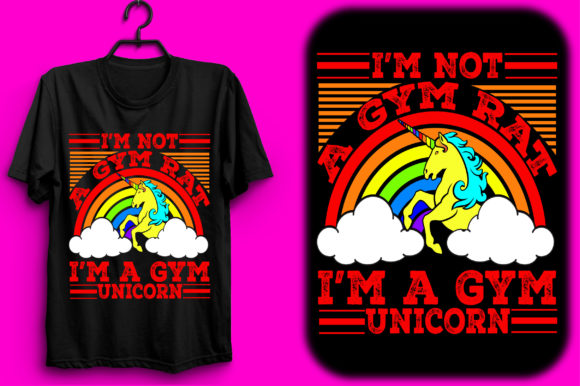
I'm Not a Gym Rat. I'm a Gym Unicorn
When I first opened the file for I'm Not a Gym Rat. I'm a Gym Unicorn, my initial reaction wasn't about the cuteness of the font or the playful concept. As someone who has spent years turning digital graphics into tangible, stitched realities, I immediately started thinking about the stitch density, the potential for thread breaks, and how this specific phrase would translate from a screen to a piece of fabric. This isn't just another generic T-Shirt Designs asset; it is a statement piece that requires careful consideration before hitting the hoop.
The design carries a distinct mood right out of the box. It strikes a balance between humorous self-deprecation and whimsical pride. For an embroidery designer looking to create a finished product that resonates with customers, this kind of personality is gold. However, the execution depends entirely on the medium. While the product description lists SVG and DXF files suitable for cutting machines like Cricut and Silhouette, using these same vectors for machine embroidery requires a different set of eyes. You cannot simply digitize a vector line and expect a clean result without understanding the mechanics of satin stitches and fill patterns.
From Screen to Stitch: A Real-World Scenario
Let's imagine a real project scenario. I am preparing a custom embroidered tote bag for a local craft fair booth. The goal is to sell these as "Gym Unicorn" merchandise to fitness enthusiasts who appreciate a bit of humor in their workout gear. The client wants this design placed prominently on the front of a canvas tote. If I were to use I'm Not a Gym Rat. I'm a Gym Unicorn directly as a digital graphic without adjusting for embroidery, the text might look sharp on a mockup but could become a muddy mess once stitched.
In this specific case, the layout needs to be robust. A tote bag is subject to heavy wear, frequent washing, and constant friction against shoulders. The lettering must be clear enough to read even when the bag is crumpled in a gym locker. If the design includes tiny serifs or intricate flourishes within the word "Unicorn," those details are at risk of disappearing under layers of thread. I would advise placing this design on a sturdy cotton canvas or a denim tote rather than a thin, flimsy material. The weight of the embroidery needs a foundation that can support it without puckering.
Similarly, consider using this design on a baby onesie or a nursery pillow cover. The theme fits perfectly there, offering a soft, personalized gift for parents who want something unique. However, the fabric texture changes everything. On a soft knit onesie, you need a stabilizer that prevents the fabric from stretching during stitching. If the design uses dense fill stitches, the back of the garment could become stiff and uncomfortable for a baby. In this context, the visual appeal of the unicorn theme must not compromise the tactile comfort of the handmade product.
Where the Design Demands Caution
Not every surface is a good home for I'm Not a Gym Rat. I'm a Gym Unicorn. There are specific situations where this design might struggle to deliver the professional quality that buyers expect. One major pitfall is small hoop sizes. If you attempt to stitch this full phrase on a small cap brim or a tiny patch, the letters will likely crowd each other. Satin stitch relies on space; if the width of the letters is too narrow, the thread will bunch up, creating unsightly ridges and potentially breaking the needle.
Textured fabrics present another challenge. Imagine trying to embroider this design on a fleece sweatshirt or a heavily textured towel. The uneven surface makes it difficult for the needle to penetrate consistently, leading to skipped stitches or distorted letter shapes. Thin, stretchy fabrics like jersey or rayon require extra care. Without a high-quality tear-away or cut-away stabilizer, the tension of the embroidery can cause the fabric to pucker around the words "Gym Rat" or "Gym Unicorn," ruining the intended aesthetic.
Dense stitch areas are also a concern. If the original vector file includes thick outlines or heavy fills, the resulting embroidery might feel like a brick. For commercial embroidery projects where the customer touches the item, excessive density can be off-putting. Furthermore, dark fabrics require a different approach. If the design is meant to be white or light-colored, you must ensure the underlay is sufficient to prevent the dark background from showing through the threads. Conversely, if the design is dark on a light shirt, you need to check the contrast carefully to ensure readability.
Impact on Product Value and Brand Consistency
The way this design translates into a physical object directly affects customer trust and brand consistency. A poorly executed embroidery job can make a boutique product look cheap, regardless of how funny the slogan is. When an Etsy seller lists a hoodie with I'm Not a Gym Rat. I'm a Gym Unicorn stitched on it, the buyer expects precision. If the letters are jagged or the spacing is uneven, the perceived value drops immediately.
Conversely, a well-executed version of this design elevates the entire product. It signals professionalism and attention to detail. For a creative entrepreneur selling handmade products, this distinction is crucial. The design should feel intentional. Whether it is used on holiday gifts, wedding favors, or small shop merchandise, the clarity of the text ensures the message lands correctly. A crisp, clean finish makes the item feel like a premium personalized gift rather than a mass-produced novelty.
Visual appeal also plays a role in recognition. The phrase itself is catchy, but the typography matters. If the font style matches the whimsical nature of a unicorn, the design feels cohesive. If the font is too rigid or corporate, it clashes with the theme. As a reviewer, I always suggest testing the design in black and white mockups first. This helps verify that the letterforms hold up without relying on color to hide imperfections. It also allows you to judge the negative space and overall balance of the composition.
Practical Notes for the Embroidery Designer
Before committing to a production run, there are essential steps every designer must take. First, test the design on scrap fabric. This is non-negotiable. You need to see how the thread colors interact with your specific fabric choice. Check the thread color contrast to ensure the text pops against the background. Review the stitch density settings in your digitizing software; if the design is too dense, adjust it to reduce bulk. Confirm the hoop size will accommodate the entire phrase without needing to re-hoop, which often leads to alignment issues.
Inspect small details closely. Are there any tiny corners or fine lines that might get lost? Use proper stabilizer for the fabric type—cut-away for knits, tear-away for wovens. Compare the design on both light and dark fabric backgrounds to ensure versatility. Most importantly, confirm whether the license allows for commercial use. Many digital embroidery files come with restrictions on selling finished items. Ensure you have the rights to sell the tote bags, caps, or apparel featuring I'm Not a Gym Rat. I'm a Gym Unicorn.
If the download only provides SVG and DXF files for cutting machines, remember that these are not ready-to-stitch embroidery files. You will need to digitize them yourself or convert them properly for your machine. Check the stitch count and file formats carefully before starting. Do not assume that a file labeled for Cricut will work perfectly on a Brother or Janome embroidery machine without modification. The path from digital vector to stitched masterpiece requires skill and patience.
Ultimately, I'm Not a Gym Rat. I'm a Gym Unicorn is a fun, marketable concept that can drive sales if handled with care. It fits naturally into the world of custom apparel, sweatshirt embroidery, and baby items. But the success of the project lies in the execution. By respecting the limitations of the medium and prioritizing quality control, designers can turn this playful graphic into a beloved finished product that customers will cherish. Whether for a personal gift or a commercial venture, the key is to let the design shine through clean, professional stitching.