Nurse Hope Angel Embroidery Review
When I first opened the files for Nurse Hope Angel, my initial reaction wasn't about the technical specs, but rather the mood it instantly projected. In a sea of generic medical icons and standard text-based slogans, this design carries a specific emotional weight. It feels less like a decoration and more like a statement of care. As someone who has spent years evaluating digital assets for real-world embroidery projects, I look for that immediate connection between the visual concept and the tactile reality of thread on fabric. This piece delivers exactly that.
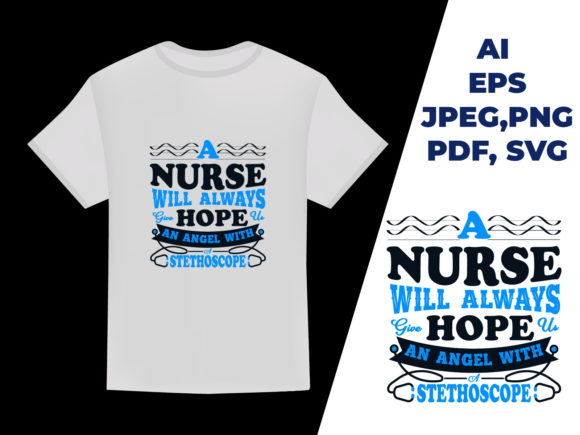
The core concept—a nurse accompanied by an angelic figure with a stethoscope—is executed with a warmth that translates surprisingly well into stitch form. The layout suggests a balanced composition, likely fitting comfortably within a standard 4x4 or 5x7 hoop without feeling cramped. For those of us in the business of creating handmade products, the "hope" theme is a goldmine. It resonates deeply with healthcare workers, their families, and anyone looking for a meaningful gift during difficult times. But does it hold up when we move from the screen to the sewing machine?
Real-World Application: From Screen to Stitch
I recently put Nurse Hope Angel to the test while preparing a custom order for a boutique client. The goal was to create a set of personalized aprons for a local pediatric nursing team. We needed something that felt professional yet intimate, suitable for daily wear in a high-stress environment. The design's gentle curves and clear imagery made it an ideal candidate for the center chest placement on these aprons.
The execution required careful consideration of stitch density. The angel wings and the stethoscope details demand a balance; too much density can make the fabric pucker, especially on lighter cotton blends often used for aprons. Fortunately, the vector nature of the original file allowed me to adjust the fill stitch angles before converting it to a machine-readable format. The result was a clean, crisp image where the stethoscope loop stood out clearly against the background, and the angel's halo added a subtle shimmer without overwhelming the wearer.
This project highlighted why Nurse Hope Angel works so well for custom apparel. It isn't just a graphic slapped onto a shirt; it has a narrative quality. When the nurses wore them, the design didn't just say "I work here." It said, "I bring hope." That level of emotional resonance is what separates a mass-produced item from a cherished personalized gift.
Where This Design Shines
If you are an Etsy seller or a small shop owner looking to expand your inventory, this design offers versatility across several categories. Beyond aprons, I see immense potential for tote bag designs. A sturdy canvas tote featuring this artwork would be perfect for a nurse's commute or as a promotional item for a hospital fundraiser. The dimensions provided in the source files (12" x 16") give you ample room to scale the design down for smaller items or keep it large for statement pieces.
The design also excels in holiday contexts. Imagine a limited edition run of sweatshirts for Christmas gifts targeting healthcare heroes. The soft, comforting aesthetic fits perfectly with the winter season. Similarly, for holiday embroidery projects, placing this on a pillow cover or a kitchen towel could add a touch of gratitude to a home environment. The clean lines of the illustration ensure that it remains legible even when stitched in monochromatic threads, which is a huge plus for buyers who want to match existing decor.
For those creating baby embroidery items, such as onesies or nursery wall hangings, this design strikes a delicate balance. It is sweet enough for a nursery but serious enough to honor the profession. It serves as a bridge between the innocence of childhood and the dedication of the parent working in healthcare. The running stitch elements, if present in the finer details, would add a lovely texture to these softer fabrics, enhancing the overall visual appeal of the finished product.
Technical Considerations and Potential Pitfalls
While the design is strong, no single asset is perfect for every scenario. As a reviewer, I must point out where caution is necessary. If you plan to use this on curved surfaces like caps or fitted hats, you will need to be meticulous with your stabilizer choices. The curvature can distort the proportions of the angel and the nurse if the hoop tension isn't perfect. I recommend testing the design on a scrap piece of the same fabric before committing to the final product.
Dark fabric presents another challenge. While the design looks great on white or light backgrounds, the contrast on dark navy or black materials requires a high-quality underlay and potentially a top layer of white or light-colored thread to ensure the details pop. Without proper preparation, the fine lines of the stethoscope or the edges of the wings might get lost in the weave of the fabric.
Furthermore, be wary of using this design on stretchy fabric without adequate stabilization. If the garment is meant to be worn frequently and washed often, the integrity of the stitches is paramount. Dense stitch areas can cause puckering over time if the stabilizer doesn't provide enough support. Always check the thread color contrast thoroughly. A design that looks vibrant on a monitor might appear muddy if the thread colors clash with the fabric hue.
Professional Notes for the Maker
Before you start selling finished goods or offering this as part of your commercial embroidery services, there are a few practical steps to take. First, always review the file formats you received. The product description mentions Adobe Illustrator CC AI and SVG files. Ensure you have the software capable of editing these vectors to adjust stitch paths if necessary. You may need to convert these into your specific machine's format (.PES, .DST, .JEF, etc.), so verify compatibility with your embroidery machine.
Check the licensing terms carefully. Just because you bought the digital embroidery file doesn't automatically grant you the right to sell unlimited quantities of the finished product. Some licenses restrict the number of items you can produce, while others require attribution. Confirm whether this purchase allows for small shop product sales or if it is strictly for personal use.
Another critical step is to create printable mockups to visualize the design on different products. This helps you spot potential issues with scale and placement before you waste expensive thread and fabric. Test the design in black and white first to ensure the shapes read clearly, then experiment with various thread colors to find the best palette. Does the silver thread for the stethoscope work better than white? Would a pastel pink halo complement the nurse's uniform better than gold?
Finally, inspect the small details closely. Sometimes, tiny elements in a vector file can become illegible when scaled down for a embroidered patch or a small baby item. If the design includes tiny lettering, ensure it remains readable after stitching. If the details are too fine, consider simplifying the design or increasing the size of the final stitch area.
In conclusion, Nurse Hope Angel is a thoughtful addition to any designer's library. It bridges the gap between artistic expression and functional utility, making it a valuable asset for craft business owners and hobbyists alike. By approaching it with the right technical preparation and creative vision, you can transform this digital asset into a tangible symbol of hope that customers will cherish.