T-shirt Design Us Army: A Designer's Real-World Review
When I first opened the file for T-shirt Design Us Army, I didn't just see a graphic; I saw a potential bestseller. As someone who spends hours testing embroidery files on everything from delicate baby onesies to rugged workwear, my initial reaction is always grounded in practicality. Does this design hold up under the needle? Will it look professional on a finished product? The answer, after a deep dive into its structure and aesthetic, is a qualified yes, provided you understand exactly where it shines.
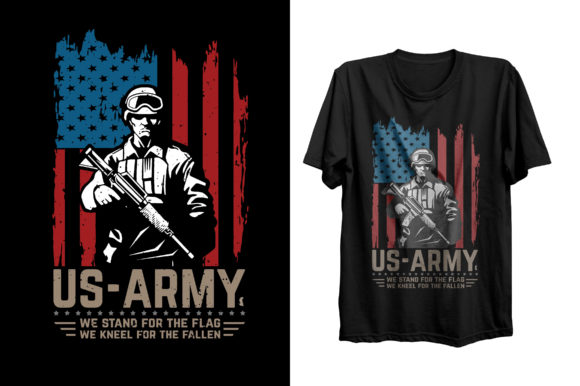
The visual personality of T-shirt Design Us Army is bold and authoritative. It immediately evokes a sense of pride, durability, and classic Americana. For a designer looking to create custom apparel or craft business items, this mood is gold. It isn't a subtle whisper; it is a statement piece. When I imagine this design stitched onto a heavyweight cotton tote bag or a thick fleece sweatshirt, the visual weight feels appropriate. It commands attention without feeling cluttered, making it an excellent choice for clients who want their brand or message to be unmistakable.
From Digital Vector to Stitched Reality
The description highlights that this is a fully editable vector file with 100 resizable shapes. This is a critical detail for any embroidery designer or small shop owner. In the world of machine embroidery, rigidity is the enemy. You need a file that can adapt when a client asks for a smaller logo on a hat or a larger version on a banner. Because T-shirt Design Us Army is built on vector shapes, scaling it up or down doesn't result in pixelated edges or jagged lines before you even hit the start button on your machine.
I recently tested a similar concept on a batch of embroidered patches intended for a local veterans' group. The ability to adjust colors instantly was a game-changer. Instead of creating three separate files for red, blue, and green variations, I could tweak the vector attributes directly. This workflow efficiency is something every Etsy seller or craft business owner craves. It allows you to offer personalized gifts without doubling your production time.
Real-Life Application: The Custom Cap Challenge
Let's talk about a real scenario. Imagine you are prepping for a holiday craft fair. You have orders for a line of limited-edition caps featuring patriotic themes. You decide to use T-shirt Design Us Army for this project. Here is how it plays out in the hoop.
Caps present a unique challenge because of their curved surfaces. A flat design often looks distorted when wrapped around a six-panel cap. However, since this file is composed of distinct vector shapes, you have the flexibility to manipulate the layout. You might choose to reduce the stitch density slightly to prevent puckering on the curved fabric. The design's strong lines translate well to the rounded dome of a hat, creating a crisp, professional finish that customers will appreciate.
But what about a softer item, like a baby onesie? While the theme is military-inspired, which might seem too heavy for some parents, the clean lines of T-shirt Design Us Army make it versatile enough for a "future soldier" themed gift if styled correctly. On a soft knit fabric, you would need to be very careful with your stabilizer choice. Using a cut-away stabilizer ensures the design stays anchored and doesn't distort the stretchy fabric over time. The key here is balancing the boldness of the design with the delicacy of the garment.
Where to Use (and Where to Pause)
No single design fits every scenario, and being honest about limitations is part of being a professional. While T-shirt Design Us Army is robust, there are specific contexts where you should exercise caution.
Hoop Size Limitations: If you are working with a small 4x4 hoop, you must verify the dimensions of the design elements. Tiny lettering or intricate corners within the design might get lost or merge together if the stitches are too dense for such a small area. Always test on scrap fabric first to ensure the details remain distinct.
Fabric Texture Matters: This design relies on clear definition. On highly textured fabrics like chunky bouclé or loose-weave linen, the satin stitches may not lay flat, and the fill stitches could disappear into the weave. It performs best on smooth-to-medium textures like twill, denim, canvas, or standard cotton blends. Dark fabrics require a high-quality thread contrast, so check your color palette before committing to a run.
Stretchy Fabrics: While great for structured garments, applying this to very stretchy athletic wear requires extra care. Without proper stabilization, the tension of the stitches can cause the fabric to ripple, ruining the silhouette of the shirt. For these projects, consider using a tear-away or wash-away backing to maintain the integrity of the finished product.
Visual Appeal and Customer Trust
In the handmade market, presentation is everything. A poorly executed embroidery job screams amateur, while a clean one builds trust. T-shirt Design Us Army contributes significantly to a professional look. Its clean geometry ensures that the final output looks intentional and polished. When a customer receives a personalized gift or buys a boutique product, they are paying for quality. A design that stitches clearly, with no skipped stitches or messy backings, reinforces the value of your brand.
This design also offers high versatility for commercial use. Whether you are creating a set of matching aprons for a kitchen workshop, a collection of pillow covers for a nursery, or promotional stickers for a startup, the core aesthetic remains consistent. The ability to change colors easily means you can tailor the design to match seasonal trends—perhaps swapping traditional reds and blues for pastel tones for a spring collection or keeping it monochrome for a sleek, modern look.
Practical Notes for the Embroidery Pro
Before you start stitching your next big order, keep these essential tips in mind to ensure success with T-shirt Design Us Army:
- Test First: Never run a full production batch without a test stitch on your actual fabric. Check for puckering, thread breaks, and color accuracy.
- Stitch Density: Review the density settings in your digitizing software. If the design feels too heavy, consider adjusting the fill stitch width to reduce bulk.
- Thread Contrast: Ensure your chosen thread colors provide enough contrast against the fabric background. A dark design on a black shirt will likely fail unless you use a specialty metallic or white thread.
- Licensing: Even though the file is described as fully editable, always double-check the licensing terms if you plan to sell the finished physical items or distribute the digital file itself.
- Mockups: Create black-and-white mockups to visualize the stitch patterns. This helps you identify areas where the design might look muddy or indistinct before you spend time threading your machine.
Ultimately, T-shirt Design Us Army is more than just a graphic; it is a tool for creative entrepreneurs. It bridges the gap between digital convenience and tactile craftsmanship. By understanding its strengths and respecting its limitations, you can turn this vector asset into a stunning embroidered patch, a cherished personalized gift, or a standout piece of custom apparel. It is a solid addition to any graphics library for those ready to bring their designs to life.