I Love My Shih Tzu Embroidery Design Review
As a designer who has spent years stitching everything from delicate heirloom pieces to rugged workwear, I know that the difference between a cute digital file and a professional finished product often comes down to one thing: practical judgment. Today, I am putting I Love My Shzu, a design categorized under Print Templates and Graphics, through its paces. This isn't just about how it looks on a screen; it is about how it translates into real-world embroidery for custom apparel, boutique merchandise, and personalized gifts.
The First Impression: Warmth and Personality
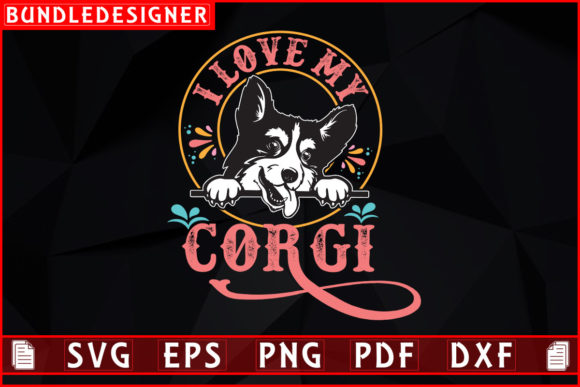
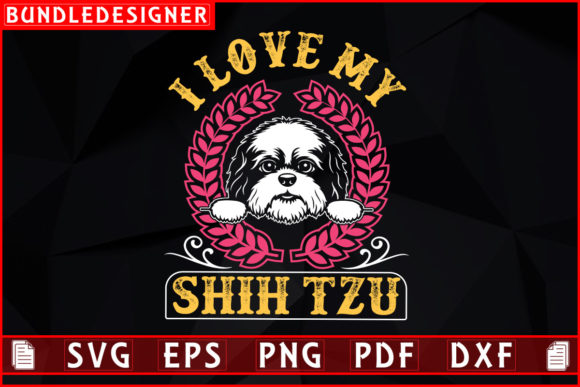
When you first open the files provided with I Love My Shih Tzu, what strikes me immediately is the emotional resonance. It is not a generic dog silhouette; the layout suggests a specific breed personality that resonates deeply with owners. For an embroidery designer, the mood is crucial because it dictates the stitch density and thread choices. The design feels approachable and friendly, making it an ideal candidate for baby items, nursery decor, or holiday gifts where sentimentality drives sales.
The visual personality of this piece relies heavily on the balance between text and imagery. In my experience, designs that claim to be "dog t-shirt" graphics often suffer from cluttered lettering or poorly proportioned animals. However, if the vector lines in the EPS and SVG files are clean, this design has the potential to become a staple in any crafter's collection. It naturally belongs in projects that celebrate companionship, such as embroidered patches for denim jackets or cozy sweatshirt embroidery for weekend wear.
Real-World Application: From Screen to Stitch
Let's imagine a scenario. You are preparing a custom order for a client who runs a small shop selling handmade goods. They need a unique item for their upcoming craft fair. They choose I Love My Shih Tzu to embroider onto a canvas tote bag design or perhaps a soft cotton apron for a kitchen-themed gift set. How does the design perform?
In a commercial embroidery setting, the versatility of the available formats—PDF, EPS, SVG, PNG, and DXF—is a significant advantage. The inclusion of these files allows you to adapt the artwork for different machines and fabric types. If you are creating a tote bag design, the sturdy canvas can handle a moderate stitch density well, allowing the details of the Shih Tzu's fur to pop without puckering. Similarly, for sweatshirt embroidery, the soft fleece provides a forgiving background that makes the thread colors stand out beautifully.
For those of us selling on Etsy or running a small business, the ability to generate printable mockups using the PNG file is essential before you even touch the hoop. You can visualize how the embroidery project will look on a dark navy cap versus a white tea towel. This pre-production step saves time and ensures that your finished product meets the high standards expected by buyers looking for personalized gifts.
Navigating Challenges: Where Caution is Key
While the concept is strong, every machine embroidery design has its limitations. As an experienced reviewer, I must point out where I Love My Shih Tzu might require extra attention. Small hoop sizes are often a trap for detailed designs. If the Shih Tzu features intricate facial details or tiny text, attempting to fit this into a 4x4 inch hoop could result in lost definition. The curves of the letters and the texture of the fur might get lost when compressed too tightly.
Fabric choice is another critical factor. Textured fabrics like bouclé or heavy waffle knits can make satin stitches look uneven. Thin fabrics, such as lightweight polyester blends found in some athletic wear, may not support the weight of a dense fill stitch without tearing. Furthermore, stretchy fabrics present a challenge; if you do not use the proper stabilizer, the embroidered patch effect might warp over time, ruining the brand consistency of your small shop product.
Dense stitch areas are particularly risky on curved surfaces like caps. If the design includes a large block of fill stitch, it may not lay flat against the curve of the hat brim. Additionally, if the design contains very small lettering, it might become illegible after washing, especially if the thread colors lack sufficient contrast. Dark fabrics require careful selection of underlay threads and potentially a top layer of lighter thread to ensure visibility, which adds complexity to the commercial embroidery process.
Visual Appeal and Customer Trust
The ultimate goal of any craft business owner is to build trust. A well-executed embroidery file signals professionalism. When a customer receives a hoodie with crisp, clear stitching of I Love My Shih Tzu, they perceive value in the item. Conversely, loose threads, skipped stitches, or distorted shapes can lead to returns and negative reviews. The clarity of the design directly impacts buyer engagement and recognition.
This design works exceptionally well for holiday embroidery projects, such as Christmas stockings or family reunion shirts, where the theme of love and pets fits perfectly. The visual appeal is enhanced when the thread colors complement the fabric texture. For instance, using a cream-colored thread on a beige pillow cover creates a subtle, elegant look, while bright, contrasting threads on a black tote bag create a bold statement piece.
Practical Designer Notes for Success
Before you commit to a full production run, there are several steps every designer should take. First and foremost, test the design on scrap fabric. This simple action reveals how the stitch density interacts with your specific machine and needle type. Check the thread color contrast carefully; a design that looks great in CMYK print mode might wash out in thread form if the values are too similar.
Review the stitch density settings in your digitizing software. If the file was not optimized for embroidery, you may need to adjust the fill patterns to prevent bird nesting or thread breaks. Confirm your hoop size matches the design dimensions to avoid cropping important elements. Inspect small details closely; sometimes, what looks fine in a vector preview becomes a jagged mess when stitched.
It is also wise to test the design in black and white mockups to ensure the composition holds up without the distraction of color. Compare how it looks on light versus dark backgrounds to determine the best fabric pairing. Always use a proper stabilizer that matches the weight and stretch of your material. Finally, confirm whether the license terms allow for both personal and commercial projects. Many designers overlook this until they are ready to sell, so verifying your rights before launching your Etsy listings is vital.
If you are dealing with digital embroidery file assets, remember that compression can sometimes affect the quality of the DXF or DST files. Ensure the files are uncompressed or re-exported cleanly to maintain precision. By taking these precautions, you transform a simple graphic into a high-quality handmade product that stands out in a crowded market.
Ultimately, I Love My Shih Tzu offers a charming opportunity for creators to express affection for their pets through art. Whether you are decorating a baby onesie, creating a boutique brand identity, or crafting a special gift for a friend, the success lies in your execution. With careful planning and attention to detail, this design can elevate your embroidery project from a simple hobby to a professional offering that customers will cherish.