The Witch and Candy Embroidery Design Review
I have spent years evaluating digital assets for my own studio and for clients who run busy embroidery businesses. When I first opened the The Witch and Candy file, I did not just see a graphic; I saw a specific mood that needed to be translated into thread. As an experienced designer reviewing this for real-world application, my goal is to look past the marketing fluff and determine if this design will actually hold up under a needle on various fabrics.
This piece belongs to the Print Templates and Graphics category, which often implies it is intended for screen printing or sublimation. However, with formats like Ai, EPS, SVG, and high-quality PNGs included, there is a clear path for adaptation into machine embroidery work. The question is: does the visual personality of The Witch and Candy survive the translation from pixel to stitch?
First Impressions and Visual Personality
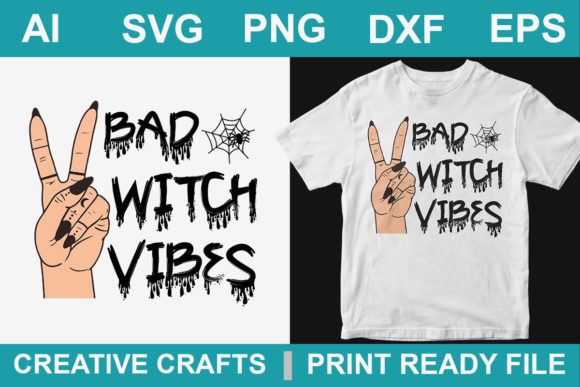
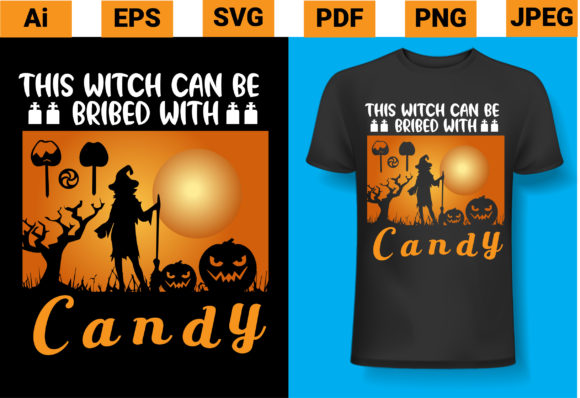
The immediate feeling of this design is playful yet slightly mischievous. It strikes a balance between Halloween spookiness and sweet charm, making it versatile enough for October events without being strictly limited to them. The layout appears to be centered, likely featuring a character motif surrounded by candy elements. For an embroiderer, the most critical first step is analyzing the negative space and the density of the lines.
In a custom project, you want the design to breathe. If The Witch and Candy is too dense with tiny details, it risks looking muddy when stitched on a sweatshirt or tote bag. Conversely, if it is too sparse, it might lack the impact needed for a boutique product. Based on the vector nature of the file, the shapes should resize cleanly, which is essential for adapting the design from a small baby onesie to a large apron. The "fully editable" aspect mentioned in the description suggests that color blocking can be manipulated before digitizing, allowing you to tweak the thread colors to match your brand palette perfectly.
Real-World Application: A Custom Tote Bag Scenario
Let's imagine a practical scenario. I am preparing a batch of handmade tote bags for a local craft fair. These are canvas bags meant to be sold as eco-friendly accessories during the autumn season. I decide to use The Witch and Candy as the centerpiece for these items.
The first challenge is the fabric texture. Canvas is rougher than cotton t-shirt material, so the stitches need to lay flat without catching on the weave. Because the file includes vector formats, I can adjust the stitch density in my digitizing software to ensure the satin columns are wide enough to cover the canvas texture but not so thick that they cause puckering. The result would be a finished product that feels professional and durable, rather than cheap and flimsy.
For a holiday gift, this design works exceptionally well. Imagine stitching it onto a linen kitchen towel or a pillow cover. The contrast between the dark witch silhouette and bright candy colors (which I would choose using vibrant polyester threads) creates a visual pop that customers love. It transforms a simple household item into a personalized gift that feels thoughtful and curated. This kind of visual appeal drives sales because it tells a story immediately upon seeing the product.
Where to Use It and Where to Proceed with Caution
While The Witch and Candy has broad appeal, there are specific scenarios where I would advise caution. Embroidery is unforgiving when it comes to scale and fabric type.
- Small Hoop Sizes: If you plan to put this on a hat or a baby bib, you must check the smallest detail size. Tiny lettering or intricate candy wrappers might disappear or blur if the hoop is too small. Always test the design at 100% scale before committing to a final run.
- Stretchy Fabrics: Applying this to a stretchy knit like a hoodie or leggings requires a heavy-duty stabilizer. Without proper support, the tension of the stitches could distort the fabric, ruining the shape of the witch or the candy elements.
- Dark Fabrics: If the background is black or navy, you may need to add a tear-away or cut-away underlay to prevent the design from sinking into the fabric. Also, consider using a lighter thread color for the highlights to ensure the design remains visible.
- Dense Stitch Areas: If the original graphic has very fine lines close together, converting them to fill stitches might result in a solid block of color rather than distinct details. You may need to manually simplify the design in your editing software to maintain clarity.
Impact on Brand Consistency and Product Value
For Etsy sellers and small business owners, the quality of the embroidery directly correlates to customer trust. A sloppy stitch job on a $30 tote bag leads to returns and bad reviews. The Witch and Candy, when executed correctly, elevates the perceived value of the item. It looks intentional and high-end.
The ability to edit the vector file means you can create variations. You could offer a "dark mode" version with black thread on white fabric for a modern look, or a "candy corn" palette for a traditional fall vibe. This flexibility allows you to keep your product line fresh without buying new designs constantly. It also helps in creating cohesive branding across different products, such as matching embroidered patches on caps with the same design on tea towels.
Practical Designer Notes for Execution
Before you start stitching, there are several technical steps every professional takes to ensure success. Do not skip these checks, especially when working with commercial orders.
- Test on Scrap Fabric: Always run a test stitch on a scrap piece of the actual fabric you intend to use. This reveals issues with thread tension, fabric puckering, or stabilizer compatibility that you cannot see on a computer screen.
- Review Stitch Density: Check the digitized file for areas of excessive density. High stitch counts can make the fabric stiff and uncomfortable. Adjust the settings to ensure the finish is soft to the touch.
- Check Thread Contrast: View your mockup in black and white to ensure the design has enough contrast even without color. If the values are too similar, the design will look flat when stitched.
- Confirm Licensing: Since this is a digital product, verify the license terms. Ensure you are allowed to sell finished physical goods made from the design. Some licenses restrict commercial use or limit the number of units you can produce.
- Inspect Small Details: Zoom in on the vector file to see if any lines are too thin to be captured by a standard embroidery needle. If necessary, thicken the lines or remove unnecessary details to improve durability.
Ultimately, The Witch and Candy is more than just a pretty image; it is a tool for creating tangible, sellable products. Whether you are making custom apparel, personalized gifts, or boutique merchandise, the key lies in how you prepare the file and execute the stitching. By respecting the limitations of the medium and leveraging the flexibility of the vector format, you can turn this design asset into a standout addition to your collection.
For those looking to expand their inventory with seasonal themes, this design offers a strong foundation. It balances creativity with practicality, provided you approach it with the right preparation and attention to detail. Happy stitching!